Musician Regina Carter to Introduce UCLA Students to the Music and Heritage of Demised Urban Areas
In the heart of Detroit, a musical tribute titled "Gone in a Phrase of Air" is paying homage to the historically significant African American neighbourhood of Black Bottom, which was destroyed to make way for I-75 in post-World War II America. This project, led by top jazz violinist and recording artist Regina Carter, aims to be more than just a piece of music – it's an expansive multi-media endeavour that combines scholarship and art to recover lost communities.
The project's title, a haunting line from poet Leslie Reese's work that memorialized the loss of Black Bottom, sets the tone for a journey through history. Carter collaborated with Reese on this project, delving deep into research, collecting oral histories, and examining photographs to bring the story of Black Bottom to life.
The destruction of Black Bottom and other African American communities was part of a broader urban renewal strategy that had profound social, economic, and cultural impacts. Thousands of families were displaced, economic opportunities were lost, and significant cultural heritage sites were erased. The construction of highways like I-375 exacerbated racial segregation and contributed to urban decay.
Carter's project premiered at the Lincoln Center in 2006, and since then, she has been working tirelessly to expand it. She plans to secure a grant to further develop the project, taking it to community centres, elementary schools, and performing arts centres. Carter also hopes to introduce the history of neighbourhood formation to young students through the project.
In addition to music, the expanded project will include visual media and community engagement. Carter has been reaching out to Detroit natives like jazz pianist Barry Harris, who shared stories about the jazz greats who performed at the clubs in Black Bottom. She also plans to offer a class on the Federal-Aid Highway Act of 1956 and urban renewal at UCLA.
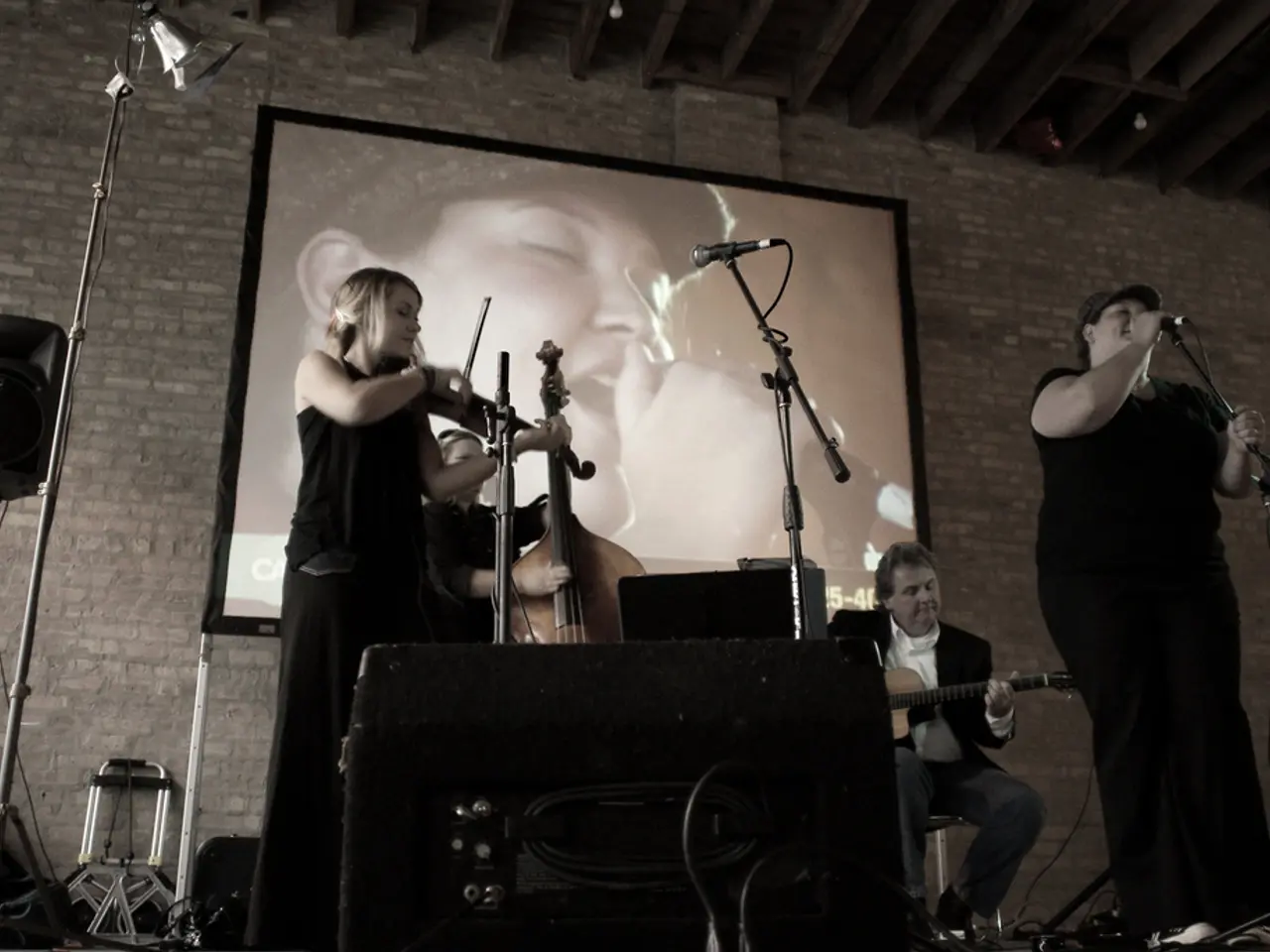
On April 1, Regina Carter and Patrice Rushen will be in dialogue and performance at The UCLA Herb Alpert School of Music. This event is a testament to Carter's commitment to sharing the story of Black Bottom and the historical significance of the destruction of African American neighbourhoods.
Carter's connection to Black Bottom began in her mother's car, while driving to the elementary school where she taught kindergarten. Her mother, a teacher, would point out the neighbourhoods that no longer existed, leaving a lasting impression on Carter. This personal connection fuels her passion for the project and her dedication to ensuring that the story of Black Bottom is not forgotten.
In a time when social justice movements are at the forefront of conversations, projects like "Gone in a Phrase of Air" serve as a reminder of the historical injustices faced by African American communities and the importance of preserving and sharing their stories. Carter's work is not just a musical tribute; it's a call to action, a testament to the resilience of communities, and a celebration of the rich cultural heritage that was lost.
The expanded project, "Gone in a Phrase of Air," initiated by Regina Carter, not only encompasses music but also ventures into visual media and community engagement, aiming to educate young students about the history of neighbourhood formation and the impacts of urban renewal strategies. Alongside her musical endeavors, Carter also intends to offer a class on the Federal-Aid Highway Act of 1956 and urban renewal at UCLA, emphasizing the importance of self-development and education in understanding historical events.